Some Stafford County officials see data centers as an opportunity to generate millions of dollars in new tax revenue. But underneath the debate about land, tax projections and a possible moratorium is a larger question that zoning approvals cannot answer: Where will the electricity come from?
Stafford can rezone property. Supervisors can approve a campus. A developer can buy hundreds of acres. None of those actions creates the generation, transmission capacity or substations needed to serve a power demand measured in tens or hundreds of megawatts.
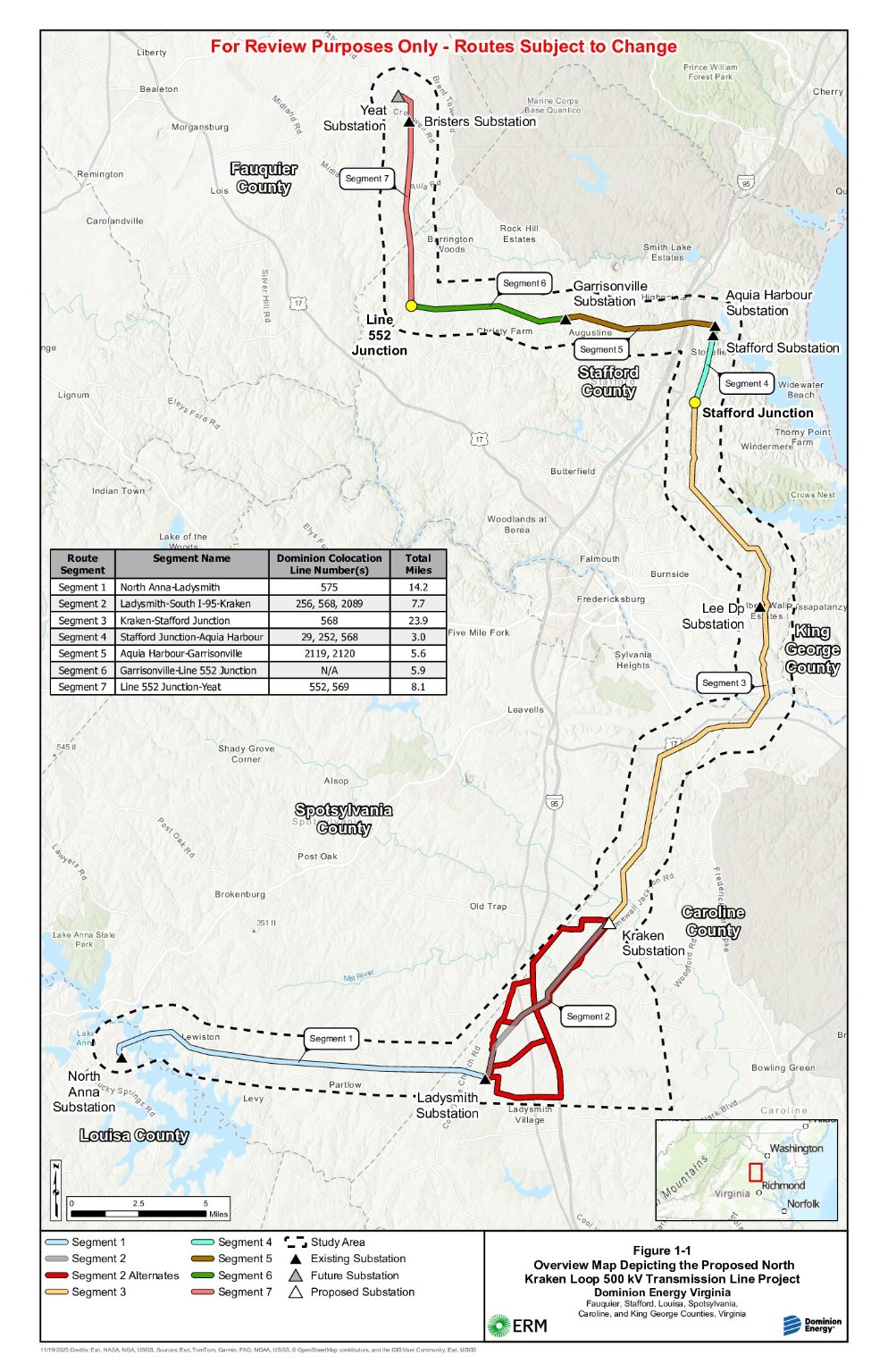
The connection to the regional grid is no longer speculation. Dominion Energy says the combined North Anna–Thornburg and Thornburg–Bristers projects are needed to bring bulk electricity into Central Virginia. The utility has also explicitly said the customers served include future data center development, together with residential development, small businesses and industry.
Dominion has not said the transmission projects exist only because Stafford wants data centers. It says they address regional reliability and serve several kinds of growth. But future data centers are expressly among the customers Dominion identifies, and PJM says recent load growth near this corridor has been mainly data centers.
Accokeek shows the financial attraction—and the power gap
The proposed Accokeek Center campus illustrates why local officials are interested. Stafford staff projected peak annual county tax revenue of approximately $15.5 million in 2029, later stabilizing near $13.5 million in 2035. The proposal requests approximately 122 megawatts of electricity.
But the Planning Commission record also exposed an unresolved sequence. Potomac Local reported that the project did not yet have a Dominion load letter and that the transmission alignment remained unknown. Some commissioners cited unresolved power sequencing and unknown transmission lines among their concerns before the commission recommended the project 4–3.
That does not prove Accokeek would be served by North Anna–Thornburg–Bristers. No source reviewed by Save Stafford establishes that project-specific connection. It does demonstrate the central planning problem: a county can consider granting permanent development rights before the public knows exactly how the required power will reach the site.
PJM says the region faces a supply-demand imbalance
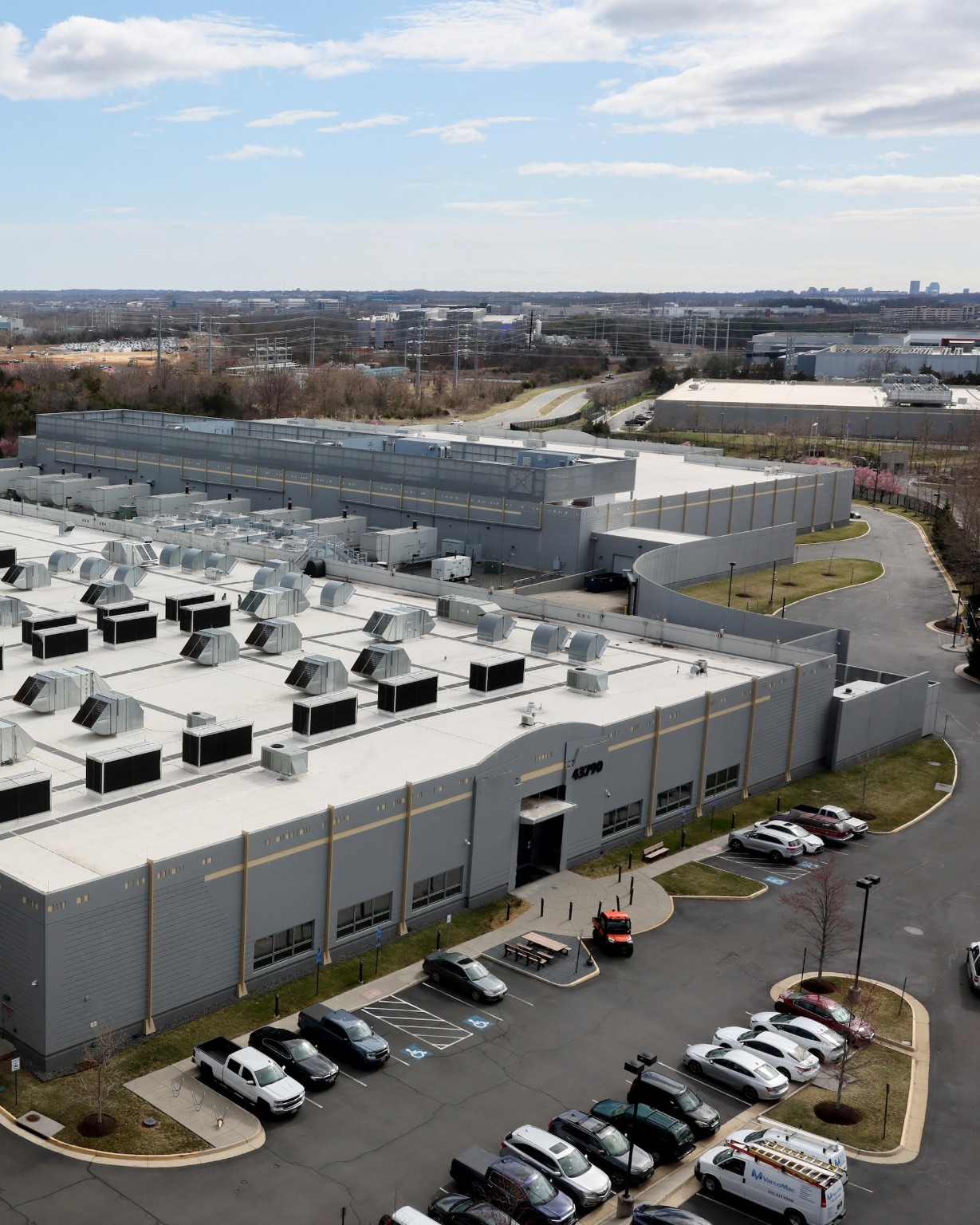
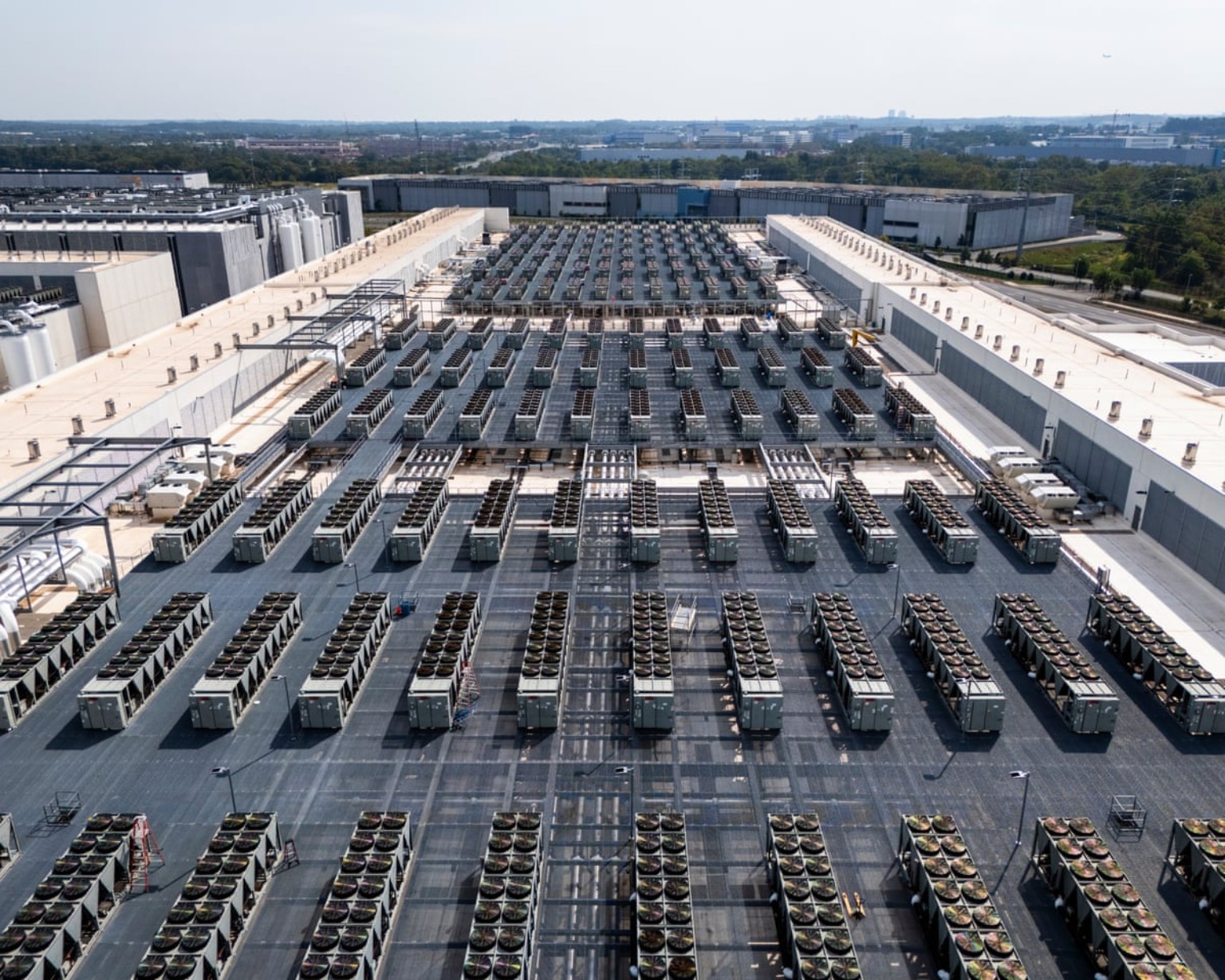
PJM Interconnection operates the regional electric grid serving Virginia and 12 other states. In March, PJM described an electricity supply-demand imbalance largely driven by data center growth and said demand is rising principally because of data centers.
PJM’s recent capacity auction secured enough resources to meet forecast demand but fell approximately 6,600 megawatts short of its reserve-margin target. PJM is now developing rules that could let large loads connect while allowing them to be curtailed during peak system conditions. Under that framework, data center growth that does not bring associated power supply could be curtailed before emergency demand-response measures.
This is not the same as saying Stafford is about to lose power. It means the regional operator is openly planning for a period in which proposed large loads may grow faster than adequate new supply can be placed in service.
Enter the transmission system
North Anna–Thornburg–Bristers was originally presented as one approximately 70-mile transmission project connecting the North Anna substation in Louisa County with a proposed Thornburg substation in Caroline County and the Bristers substation in Fauquier County. The northern section would cross Stafford.
Dominion now plans two separate State Corporation Commission applications. North Anna–Thornburg is scheduled for filing in fall 2026. Thornburg–Bristers—the section that includes Stafford—is planned for a separate filing in fall 2027 while potential routes, technical requirements and environmental considerations receive additional review.
The split gives Stafford more time, but it does not make the northern project disappear. Dominion describes the two projects together as the most comprehensive electrical solution and says both are needed for critical reliability concerns in the 2030 timeframe.
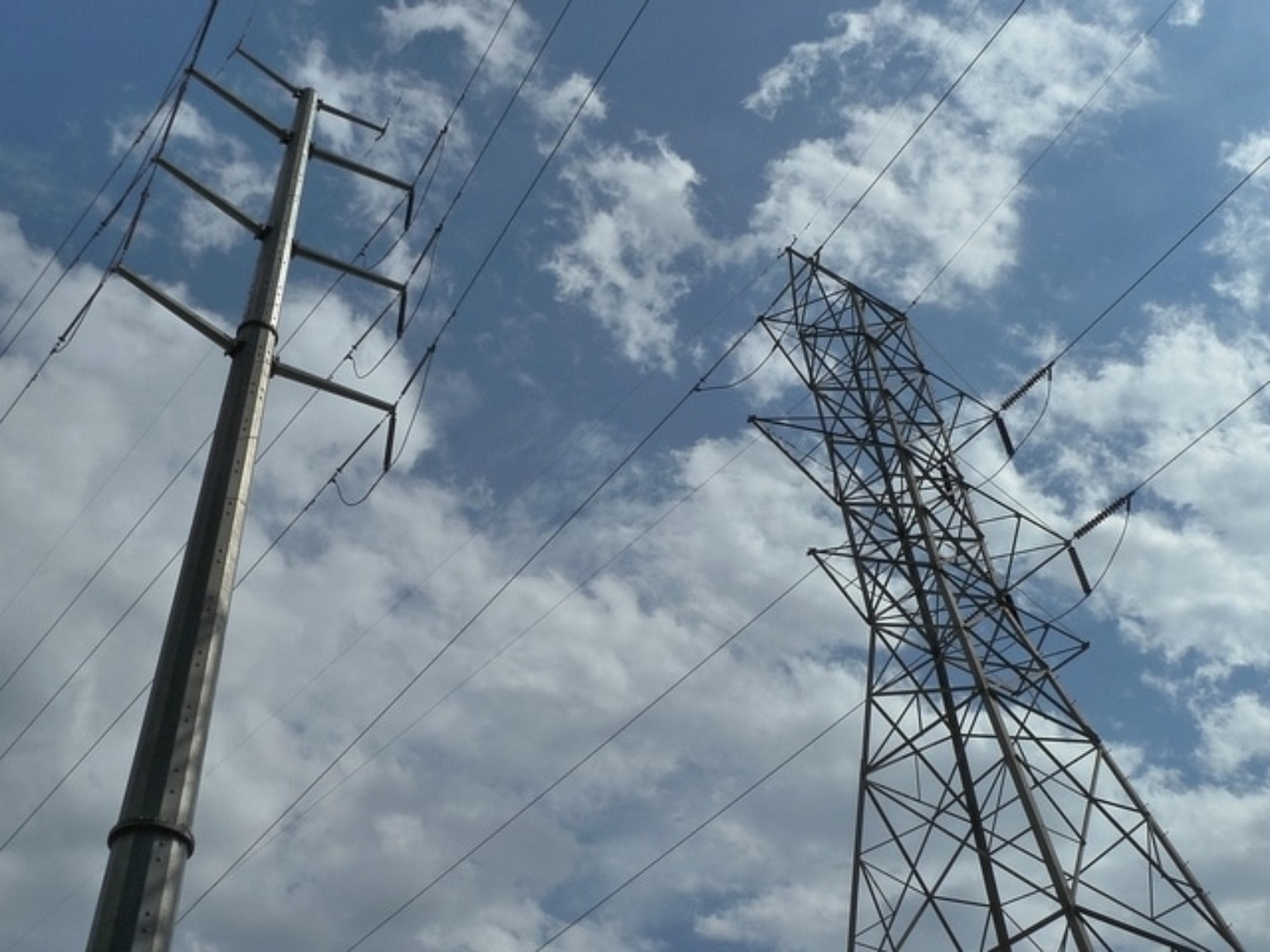
PJM’s July 2026 Board whitepaper adds an important piece of evidence. PJM approved a change to use structures capable of carrying both 500-kilovolt and 230-kilovolt circuits. The document says the area near the corridor had experienced load growth, mainly data centers, since the project was proposed during the 2024 regional planning window. The change added approximately $90 million, bringing PJM’s stated project cost to about $661.63 million.
The chicken-and-egg problem
Data centers need enormous amounts of dependable electricity. Utilities and grid planners may need new transmission capacity before that demand can be served. But once new bulk transmission capacity exists, it can also make additional high-load development more feasible.
That produces a difficult policy loop. Which comes first: the data centers that justify more infrastructure, or the infrastructure that enables more data centers?
The responsible answer is not to claim the Kraken exists because Stafford wants data centers. The evidence supports a more careful conclusion: regional growth, including future data centers, is part of the demand Dominion says these projects will serve; PJM separately says data centers have been the main source of recent load growth near the corridor.
This is why transmission cannot remain a footnote in Stafford’s land-use decisions. Each new campus may be reviewed as a separate zoning case, but electricity demand accumulates across projects and across county lines. Residents experience the combined result through substations, transmission corridors, construction, land impacts and potential costs.
A route concept comes close to a school track
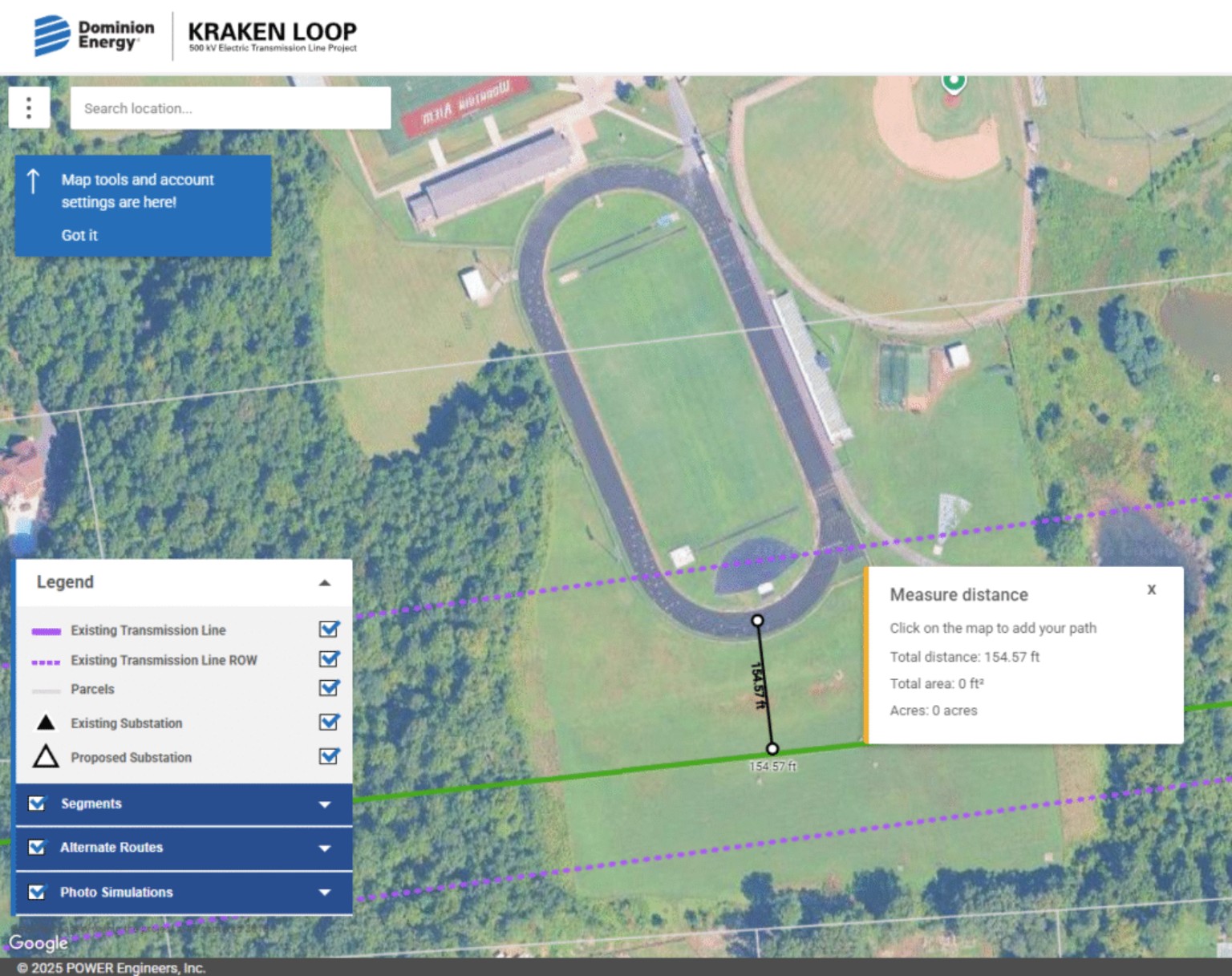
One screenshot from Dominion’s GeoVoice mapping interface shows a studied route line near the running track at Mountain View High School. The measurement displayed in the tool is approximately 154.57 feet from the edge of the track to the mapped line.
That image requires careful interpretation. It is a user measurement from a planning map, not a surveyed distance, approved centerline or final right-of-way boundary. Routes are subject to change, and the SCC has not approved a Stafford alignment. Even so, it shows why routing is not an abstract regional issue for families who use Stafford’s schools and athletic facilities.
Who decides the transmission route?
Stafford County does not have the final authority to approve or reject a transmission line of this voltage. In Virginia, the State Corporation Commission generally must issue a Certificate of Public Convenience and Necessity for transmission facilities above 115 kilovolts.
That means the county’s strongest opportunity is before and during the SCC case: document school, neighborhood, environmental and property impacts; develop defensible route preferences; and ensure the official record contains credible alternatives. The eventual application will matter more than any early route label because it will define the proposed and alternative corridors the SCC evaluates.
What a moratorium could—and could not—do
On September 1, Stafford supervisors directed staff toward letters asking Gov. Abigail Spanberger for a special legislative session on data center rules and, if comprehensive legislation cannot be enacted promptly, a temporary pause on new large-scale approvals. The Board also directed that Stafford’s concerns be raised with the federal government.
Stafford has not enacted a moratorium. A state pause would not automatically cancel already approved projects, reverse construction or stop a separate SCC transmission case. Its value would be to keep additional high-load approvals from moving ahead while state and local officials address siting, water, electric capacity, cost allocation and ratepayer protection.
“I don’t want us to be in a situation where we approve now and regulate later,” Supervisor Crystal Vanuch said.
The question is therefore larger than whether data centers are good or bad. It is whether Stafford should grant more long-term development rights before the public can see the cumulative electrical requirements and likely infrastructure consequences.
How many megawatts are tied to operating, approved and pending campuses? Which projects have binding utility commitments? What new substations or transmission connections may be required? Who pays if a project is delayed, downsized or never built? How will schools, neighborhoods and existing customers be protected?
Join the residents tracking the transmission fight
Towering Concerns is a Stafford-based citizen coalition working to educate residents and move or mitigate harmful effects of North Anna–Bristers. The group’s organizing helped keep attention on potential impacts to homes, schools and community spaces while Dominion continued reviewing Stafford routing.
Residents can visit ToweringConcerns.com to join the mailing list, review project information and get involved before the Thornburg–Bristers SCC filing planned for 2027. Early participation matters because route evidence is far more useful when it is documented before the regulatory record closes.
Save Stafford’s position: Stafford should not approve additional large-scale data centers until residents can see a credible cumulative power plan. Tax revenue may benefit the county, but those projections must be weighed against the generation, substations and transmission corridors required to serve the load. A temporary pause would give Stafford and Virginia time to establish who pays, how existing customers are protected and how schools, neighborhoods and private property will be safeguarded before more permanent development rights are granted.
Sources, documents & image credits
Read the original record
Dominion Energy — North Anna to Bristers project informationReviewed September 6, 2026 · Open original source ↗Fredericksburg Free Press — Dominion splits North Anna–Bristers into two projectsAugust 20, 2026 · Open original source ↗PJM — Board whitepaper on North Anna–Thornburg–Bristers scope changeJuly 7, 2026 · Open original source ↗PJM — Large-load plan and regional supply-demand imbalanceMarch 2, 2026 · Open original source ↗Potomac Local — Planning Commission recommends Accokeek CenterSeptember 1, 2026 · Open original source ↗Potomac Local — Stafford supervisors seek data-center limitsSeptember 4, 2026 · Open original source ↗Virginia SCC — Transmission-line project approval processReviewed September 6, 2026 · Open original source ↗Towering Concerns — North Anna–Bristers community coalitionReviewed September 6, 2026 · Open original source ↗Support Save Stafford
Independent local information. No paywalls. No advertising.Research like this takes time and sometimes requires obtaining public records. Community support helps Save Stafford continue making this information freely available.
No subscription required. Contribute only if you choose. Financial contributions do not purchase editorial influence.